
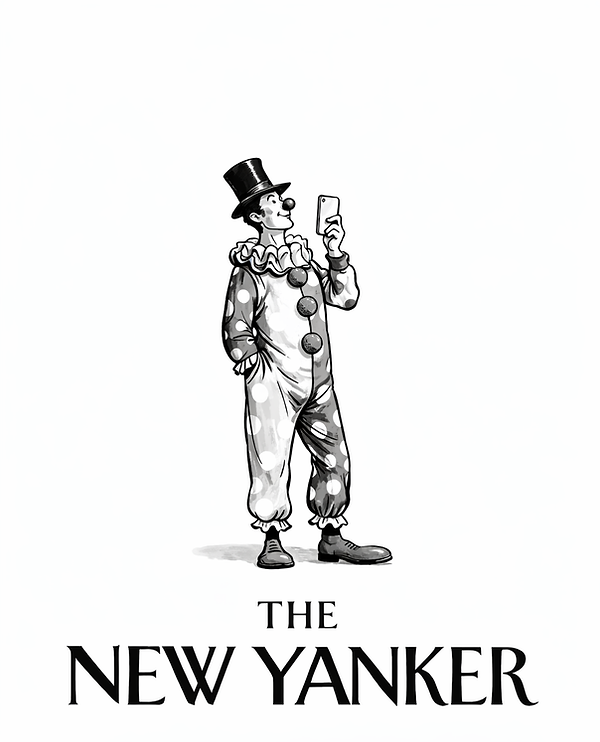


LOCAL: Man seen waiting for walk signal with no cars later found dead from being a pussy.

Updated: Feb 13
In a world where news can often feel overwhelming and serious, satirical cartoons offer a refreshing perspective. They have the unique ability to distill complex issues into digestible, humorous visuals that provoke thought and spark conversation. Whether it’s poking fun at political figures or highlighting societal issues, these cartoons serve as a mirror reflecting the absurdities of our times. This blog post explores the significance of satirical cartoons in news media, their historical context, and how they can be effectively used to engage audiences.
The Power of Satire in News
Satirical cartoons have a long-standing tradition in journalism. They are not just simple drawings; they are powerful tools for commentary and critique. Here’s why they matter:
Simplification of Complex Issues: Satirical cartoons can break down intricate topics into easily understandable visuals. For instance, a cartoon depicting a politician juggling various scandals can quickly convey the chaos surrounding their leadership.
Provoking Thought: Humor often leads to reflection. A well-crafted cartoon can make people reconsider their views on a subject, prompting discussions that might not occur with traditional news formats.
Engagement: In an age where attention spans are short, cartoons can capture interest quickly. A striking image paired with a clever caption can draw readers in, encouraging them to engage with the underlying message.
Historical Context of Satirical Cartoons
The roots of satirical cartoons can be traced back centuries. Artists like James Gillray and George Cruikshank in the 18th and 19th centuries used their art to comment on politics and society. Their work laid the groundwork for modern satirical cartoons, which continue to evolve with the times.
Key Historical Milestones
The 18th Century: Political cartoons emerged as a form of protest against authority. Artists used satire to criticize the monarchy and government policies, making their work both popular and dangerous.
The 20th Century: With the advent of mass media, cartoons became more accessible. Publications like The New Yorker and Punch showcased the work of talented cartoonists, solidifying the genre's place in popular culture.
The Digital Age: Today, social media platforms have transformed how cartoons are shared and consumed. Artists can reach global audiences instantly, allowing for rapid responses to current events.
Elements of Effective Satirical Cartoons
Creating a successful satirical cartoon requires a blend of artistic skill and sharp wit. Here are some essential elements to consider:
1. Clear Message
The best cartoons convey a clear message. Viewers should be able to understand the point being made without needing extensive background knowledge. For example, a cartoon about climate change might depict a polar bear on a melting iceberg, instantly communicating the urgency of the issue.
2. Humor
Humor is the heart of satire. It can be dark, absurd, or playful, but it should always serve to enhance the message. A clever pun or visual pun can make a cartoon memorable and shareable.
3. Relatable Characters
Using recognizable figures, whether they are politicians, celebrities, or everyday people, can make the cartoon more impactful. Viewers are more likely to engage with a cartoon that features someone they know or have an opinion about.
4. Visual Appeal
Aesthetics matter. A well-drawn cartoon with vibrant colors and dynamic composition can attract attention. The visual style should complement the message, enhancing the overall impact.
Examples of Impactful Satirical Cartoons
To illustrate the power of satirical cartoons, let’s look at a few notable examples that have made waves in recent years.
Example 1: Political Commentary
One famous cartoon depicted a politician standing in front of a wall labeled “Truth” while holding a sign that read “Alternative Facts.” This cartoon effectively highlighted the issue of misinformation in politics, using humor to critique the politician’s stance.
Example 2: Social Issues
Another impactful cartoon showed a group of people at a beach, with one person wearing a mask while others lounged without them. The caption read, “The New Normal.” This cartoon cleverly addressed the ongoing debates about public health and personal responsibility during the pandemic.
Example 3: Environmental Concerns
A cartoon featuring a turtle with a straw stuck in its nose became a viral sensation. It served as a stark reminder of the consequences of plastic pollution, using shock value to raise awareness about environmental issues.
The Role of Satirical Cartoons in Modern Media
In today’s fast-paced media landscape, satirical cartoons play a crucial role in shaping public discourse. They can:
Challenge Authority: Cartoons often hold those in power accountable, providing a platform for dissenting voices.
Encourage Civic Engagement: By addressing current events and societal issues, cartoons can motivate individuals to become more informed and involved in their communities.
Foster Dialogue: Satirical cartoons can spark conversations among diverse groups, encouraging people to share their perspectives and engage in meaningful discussions.
How to Create Your Own Satirical Cartoon
If you’re inspired to create your own satirical cartoon, here are some steps to get started:
Step 1: Choose a Topic
Select a current event or social issue that resonates with you. Consider what message you want to convey and how humor can enhance that message.
Step 2: Brainstorm Ideas
Think about how you can visually represent your topic. Jot down ideas, sketches, or phrases that come to mind. Don’t be afraid to experiment with different concepts.
Step 3: Develop Your Characters
Create characters that will help tell your story. They can be exaggerated versions of real people or entirely fictional. Ensure they are relatable and expressive.
Step 4: Sketch Your Cartoon
Begin sketching your cartoon, focusing on composition and clarity. Make sure the visuals align with your message and that the humor comes through.
Step 5: Refine and Share
Once you’re satisfied with your cartoon, refine it for clarity and impact. Share it on social media or submit it to publications that feature satirical work.
The Future of Satirical Cartoons
As we move forward, the role of satirical cartoons in news media will likely continue to grow. With the rise of digital platforms, artists have more opportunities than ever to reach audiences. However, challenges remain, including censorship and the spread of misinformation.
Embracing Change
Cartoonists must adapt to the changing landscape, finding innovative ways to engage audiences. This may involve experimenting with new formats, such as animated cartoons or interactive content.
Staying Relevant
To remain impactful, satirical cartoons must address contemporary issues and resonate with the audience's experiences. This requires a keen understanding of cultural trends and societal shifts.
Conclusion
Satirical cartoons are more than just humorous illustrations; they are vital components of modern journalism. They provide a unique lens through which we can view the world, encouraging reflection and dialogue. As we navigate an increasingly complex news landscape, these cartoons will continue to play a crucial role in shaping public discourse and engaging audiences.

By embracing the power of satire, we can not only entertain but also educate and inspire change. So, the next time you come across a satirical cartoon, take a moment to appreciate the artistry and the message behind it. Engage with it, share it, and let it spark conversations that matter.


Comments